README.md
Why lawn care, and what went into the platform.
## problem statement
Residential and commercial lawn care is highly dependent on manual labor, with recurring costs for mowing, edging, weeding, and cleanup. Labor shortages, rising wages, travel between properties, repetitive physical work, and the need for multiple dedicated tools all increase the cost of maintaining outdoor spaces.
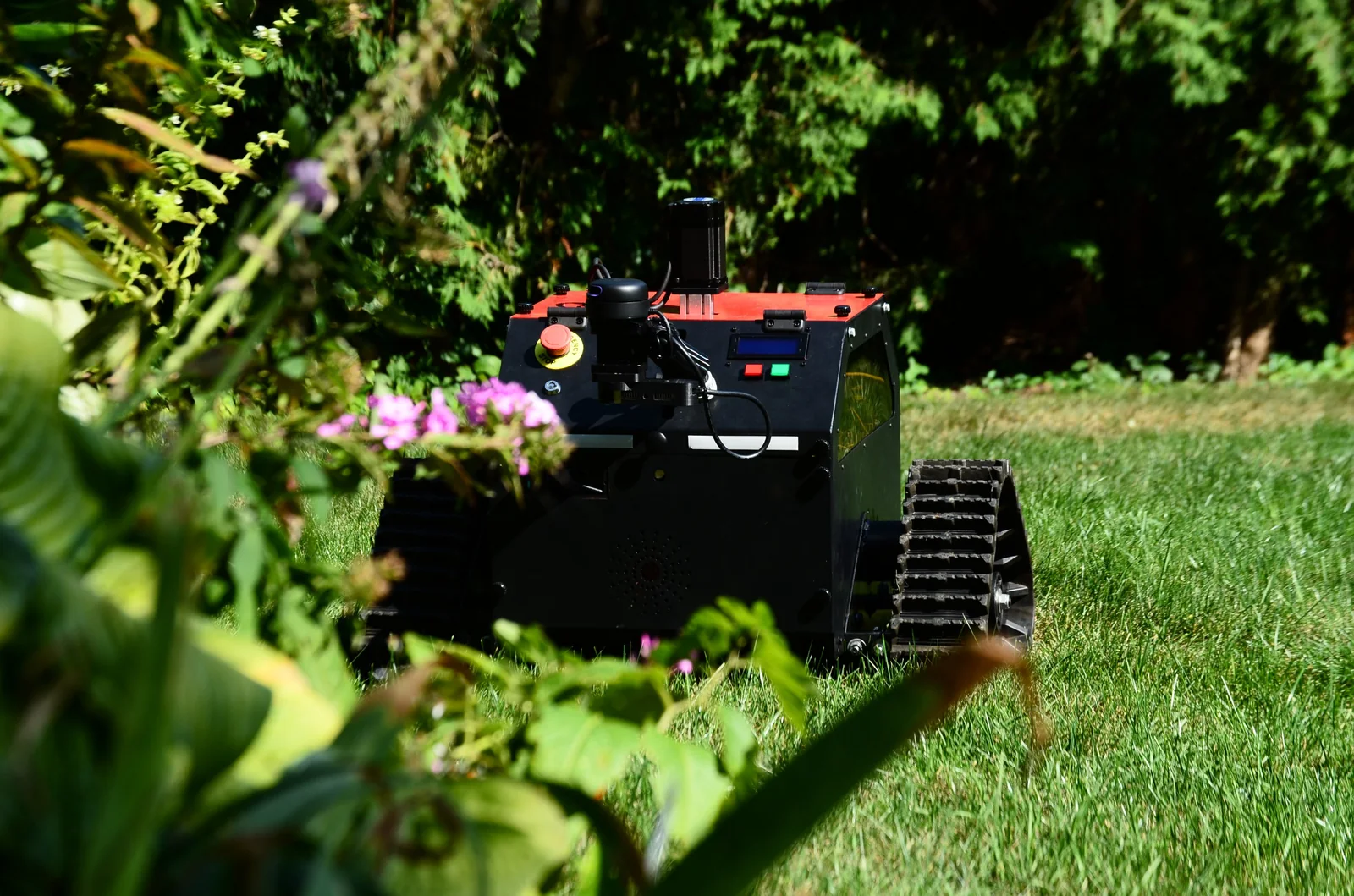
Dandebot explores whether a single autonomous mobile platform can reduce that overhead by performing multiple lawn-care tasks (mowing, weeding, edging, and debris blowing) with minimal human intervention.
## implementation notes
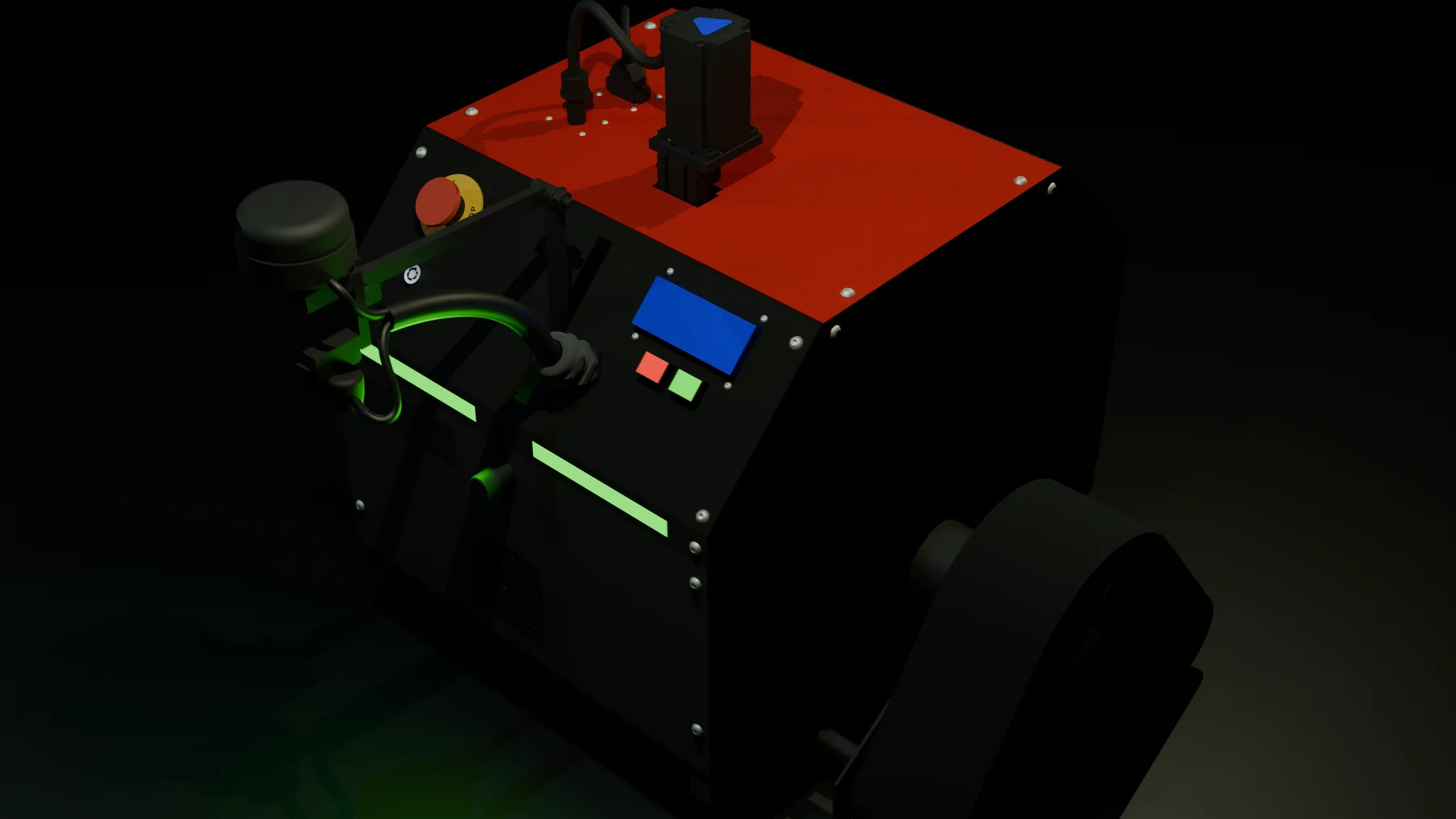
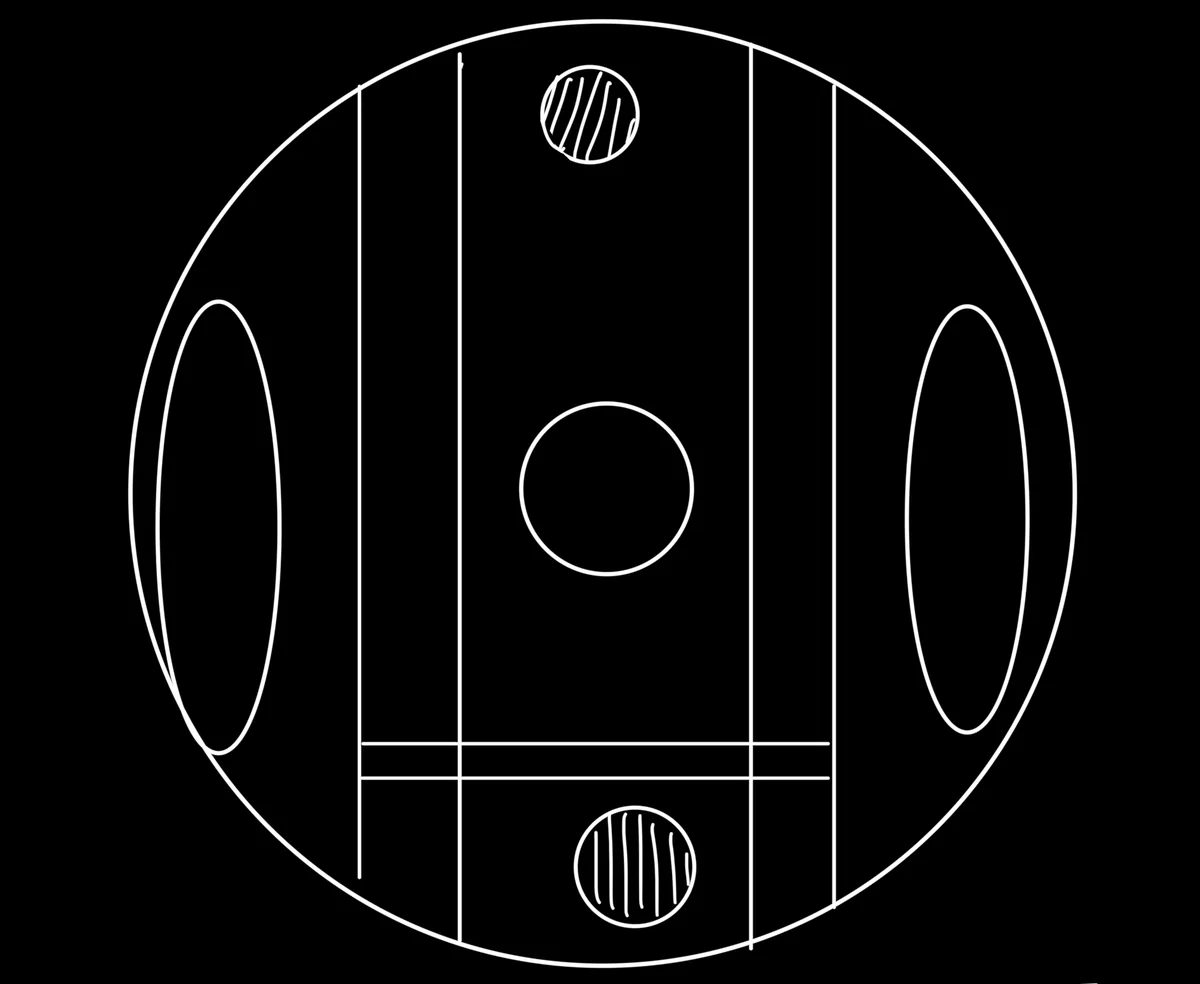
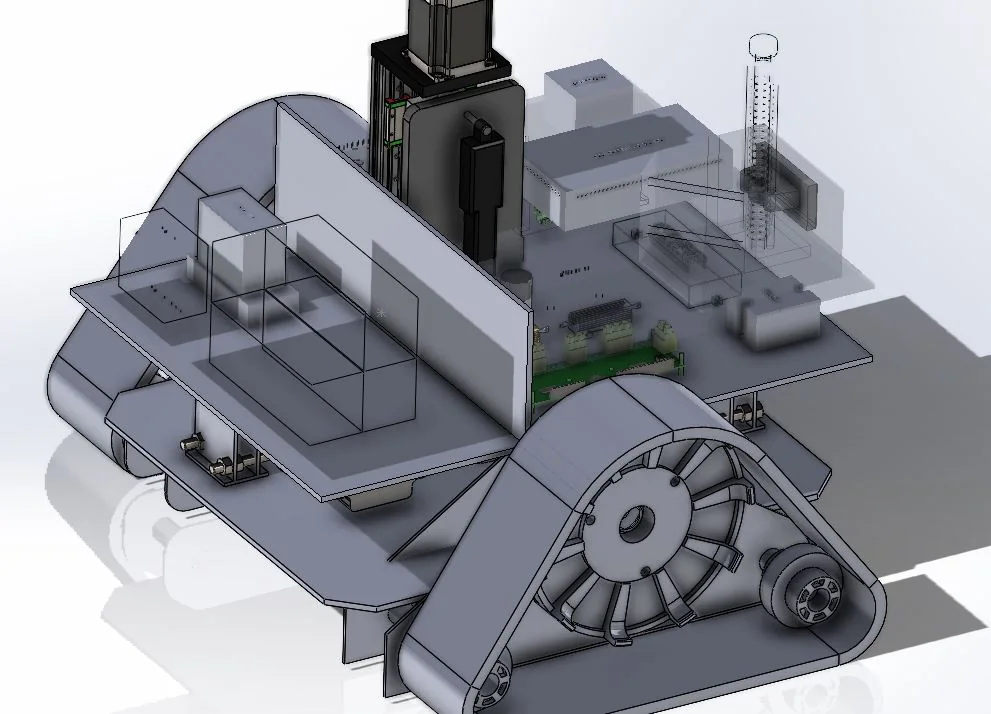
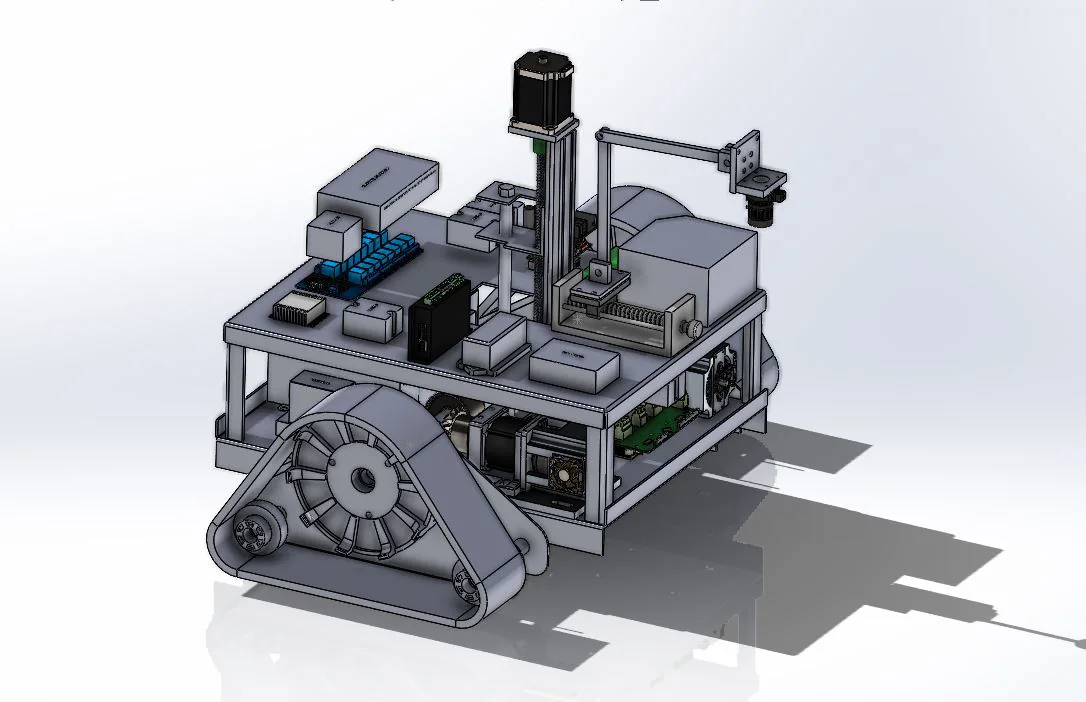
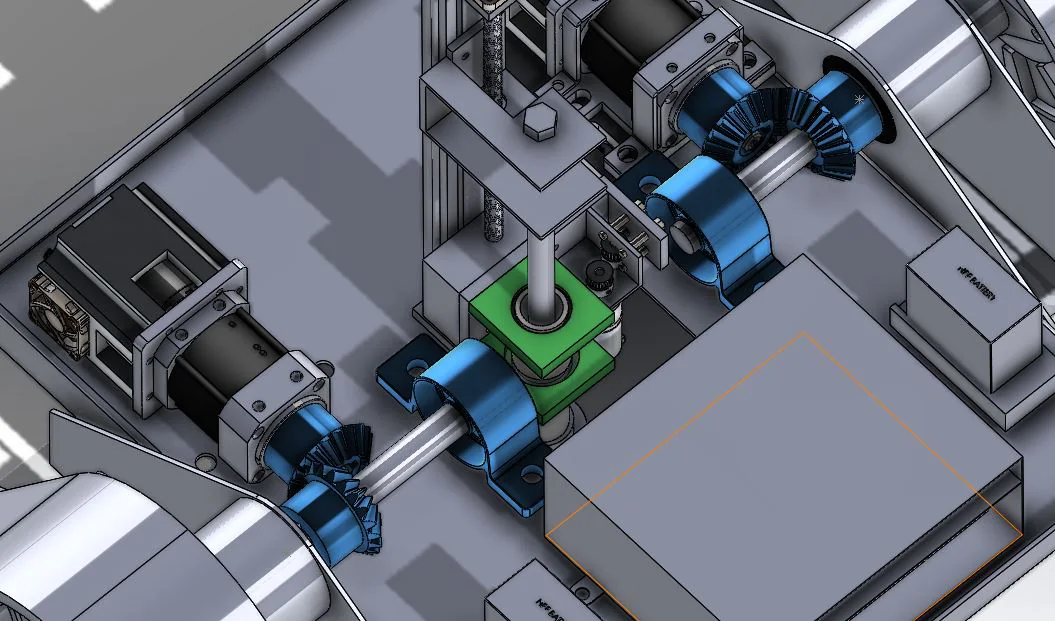
- Designed a custom tracked mobile platform and mechanical assemblies in SolidWorks.
- Integrated NVIDIA Jetson as the onboard compute platform for perception and autonomy.
- Built the software stack around ROS 2 for sensor integration, control, and system communication.
- Developed autonomous navigation for unstructured outdoor environments.
- Integrated perception for obstacle detection, terrain awareness, and task execution.
- Designed the platform around modular, task-specific tooling for mowing, weeding, edging, and debris blowing.
- Combined perception, navigation, motion control, and tool actuation into an end-to-end autonomous workflow.
- Validated the system through real-world outdoor testing rather than simulation alone.
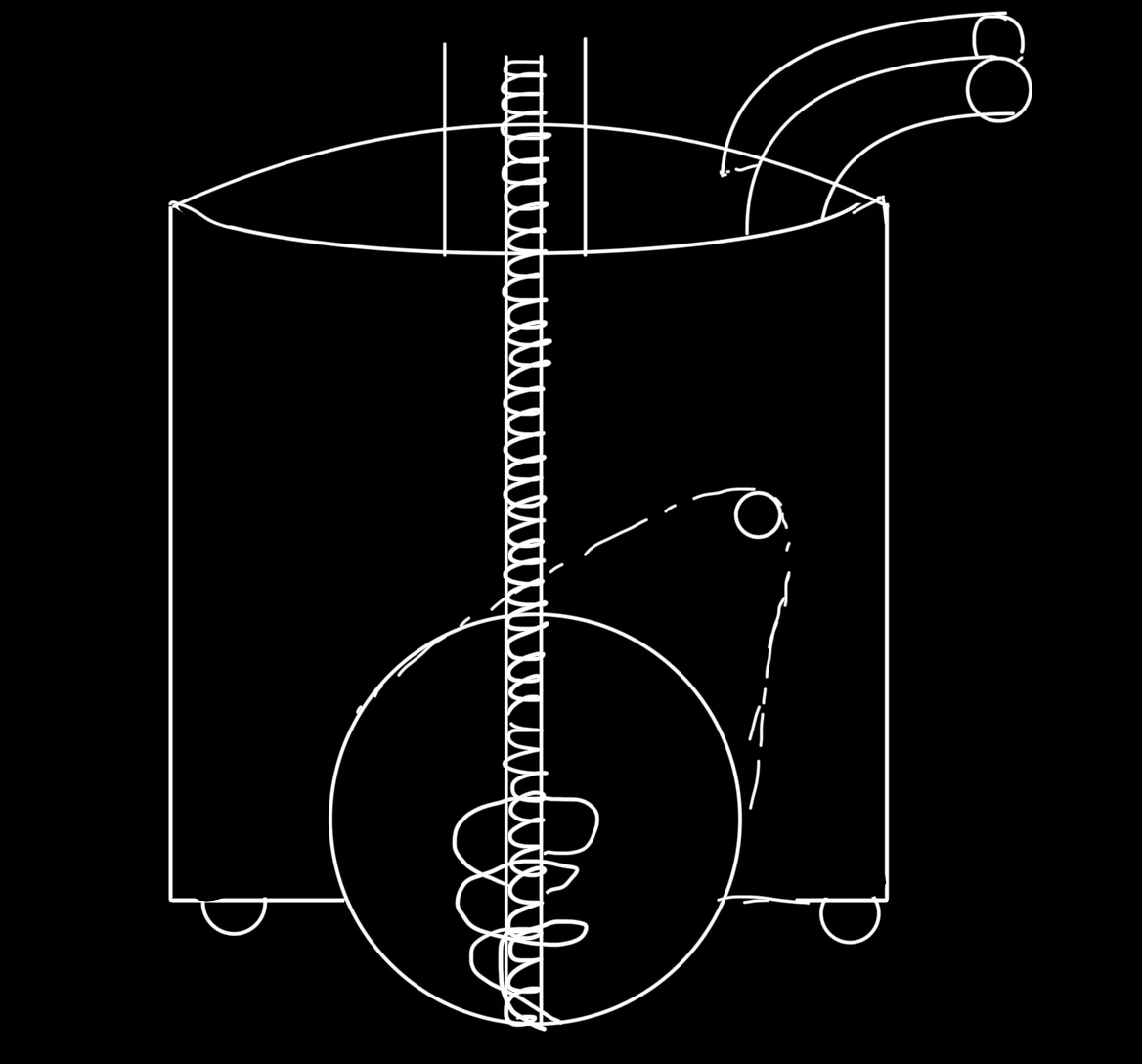
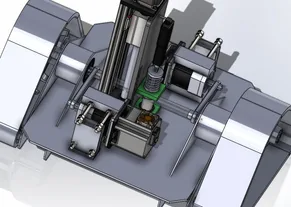
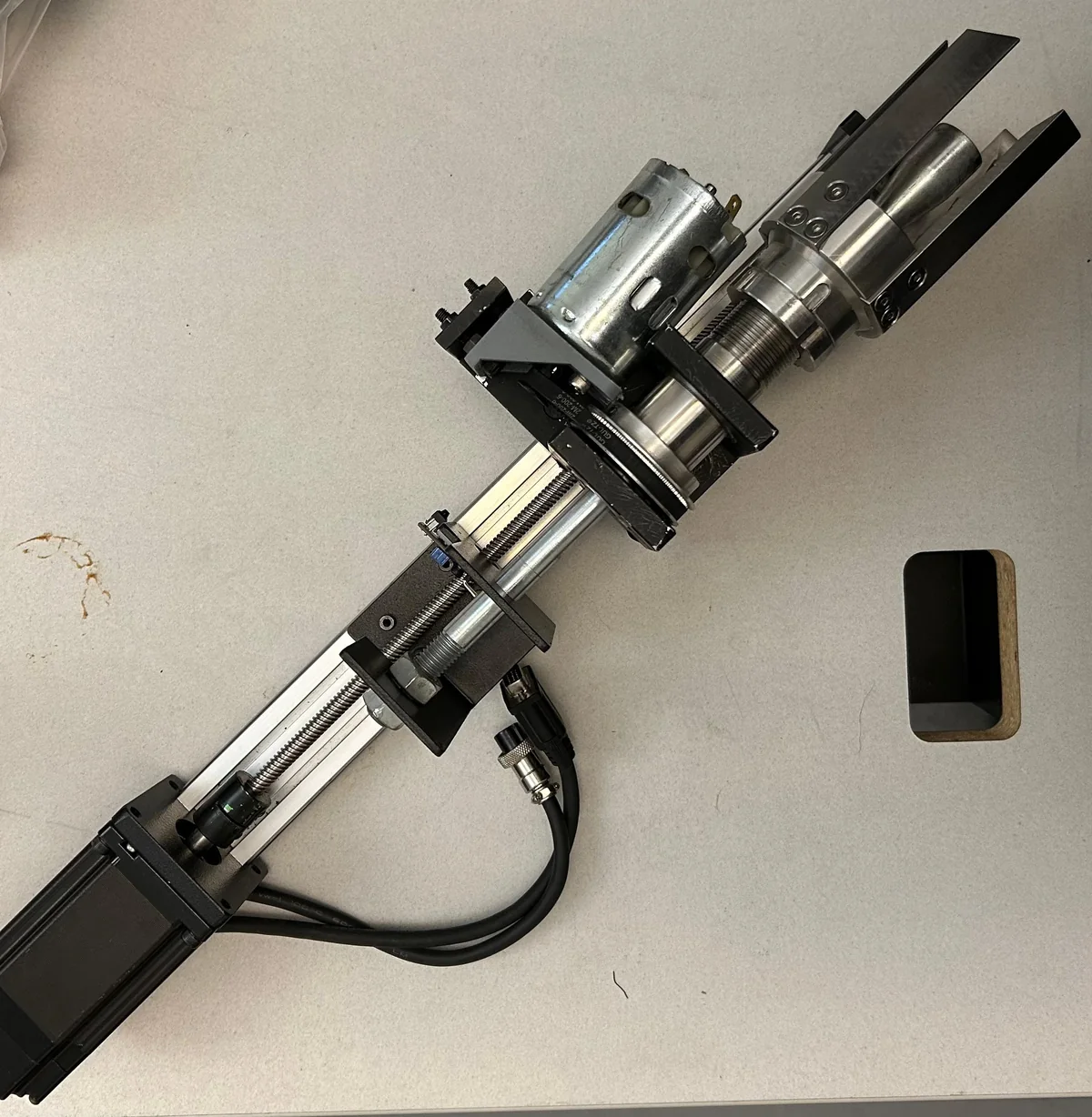
Mechanical design approach
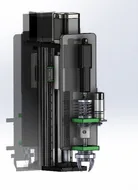
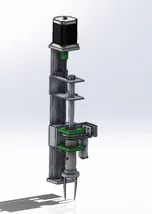
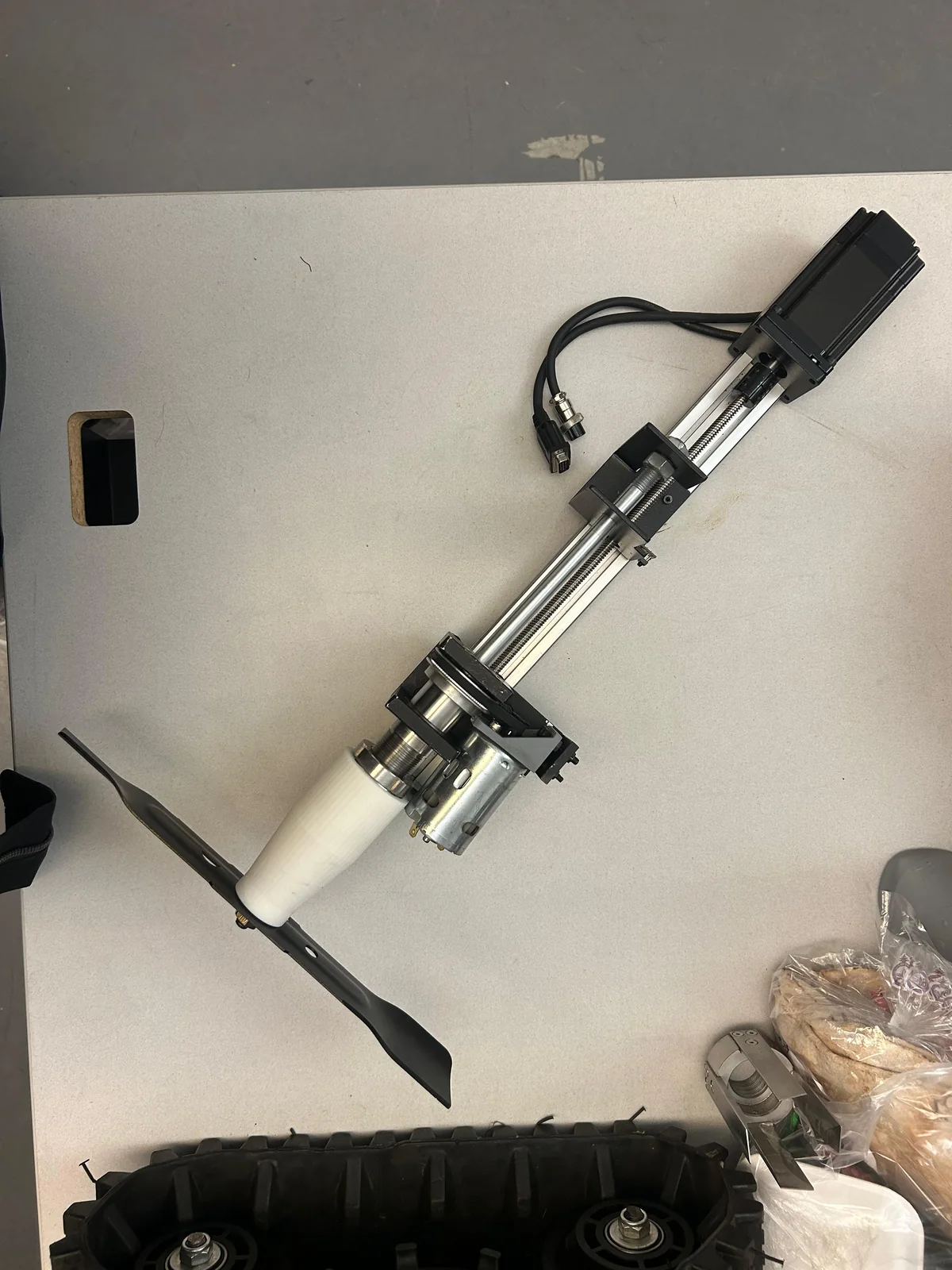
From concept sketches to SolidWorks assemblies of the chassis, tool heads and linear actuators.
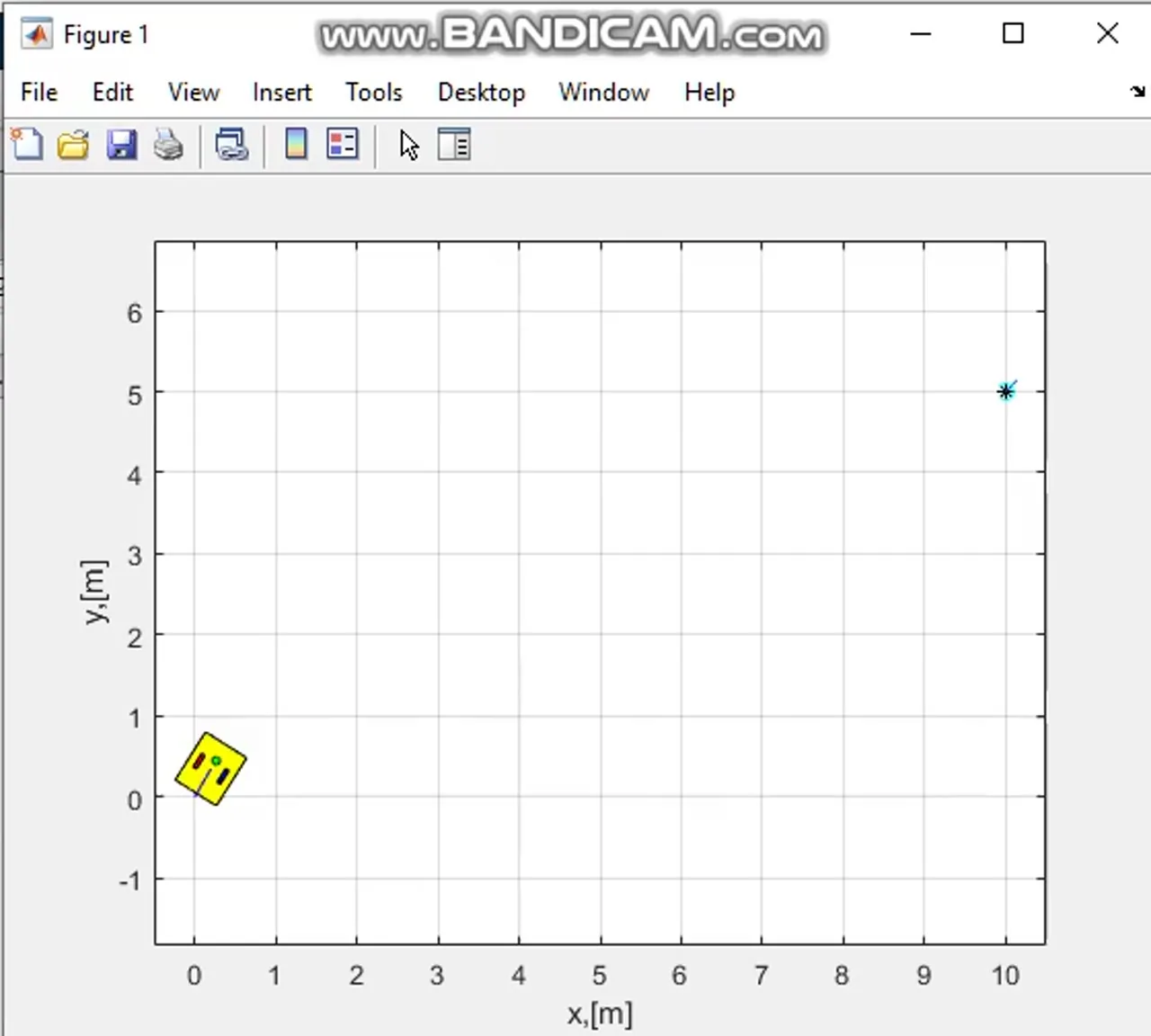
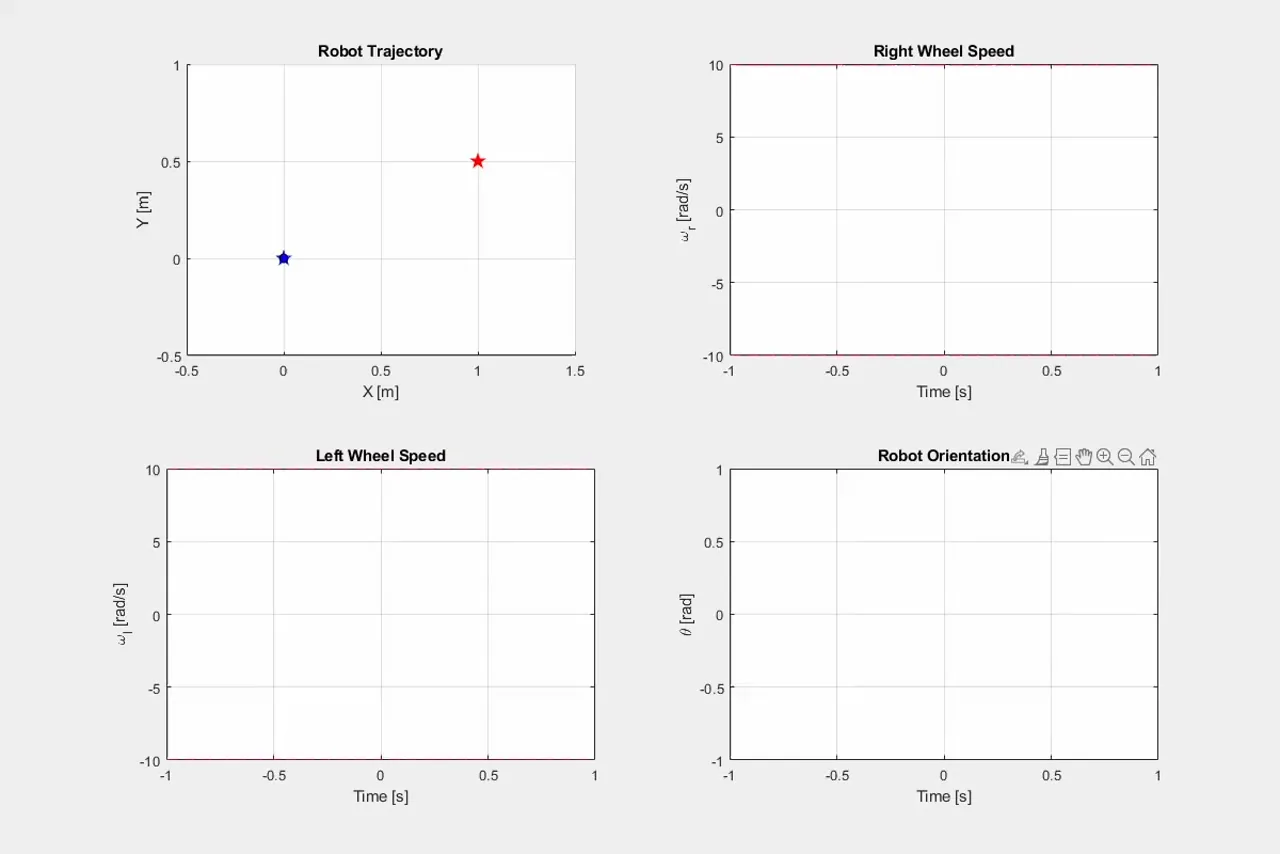
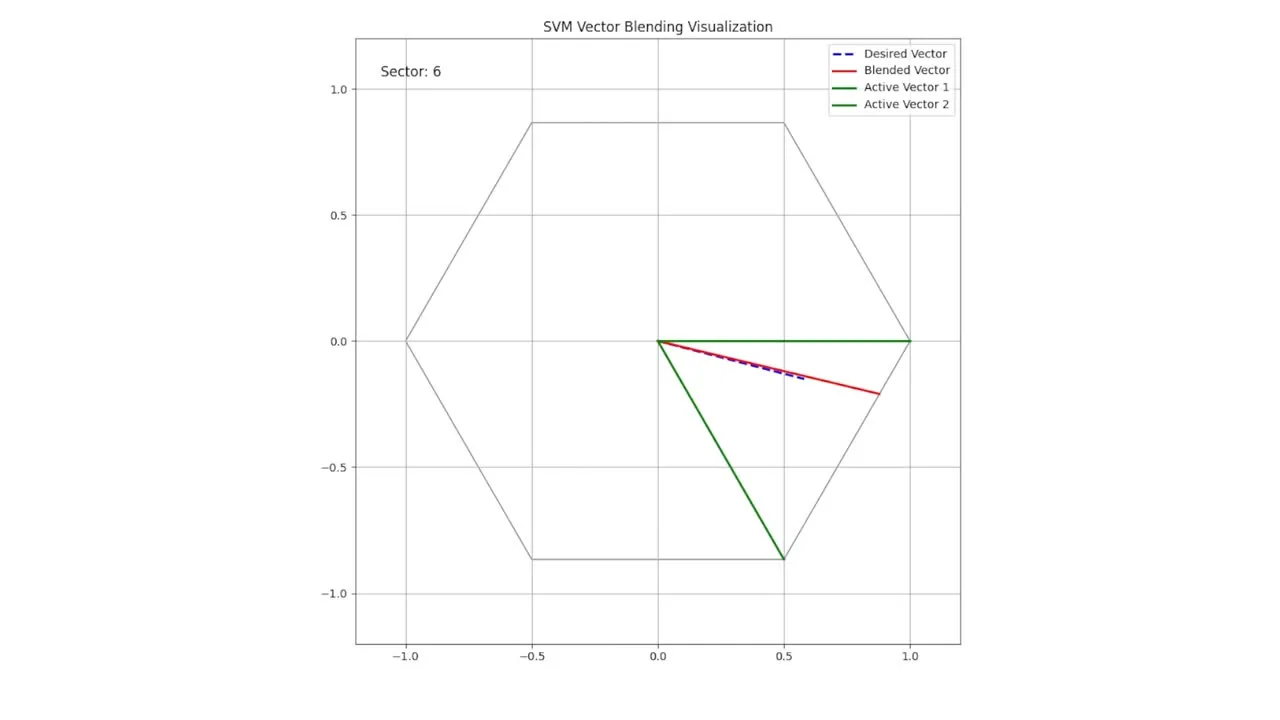
Kinematics design approach
Differential-drive kinematics simulated before hardware: trajectory, wheel speeds and orientation.
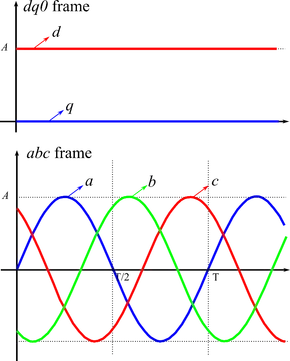
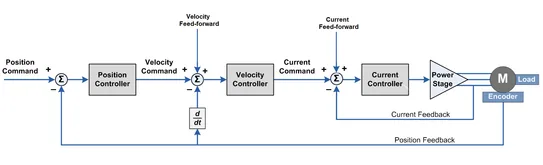
Control system design
Cascaded position, velocity and current loops with field-oriented motor control.
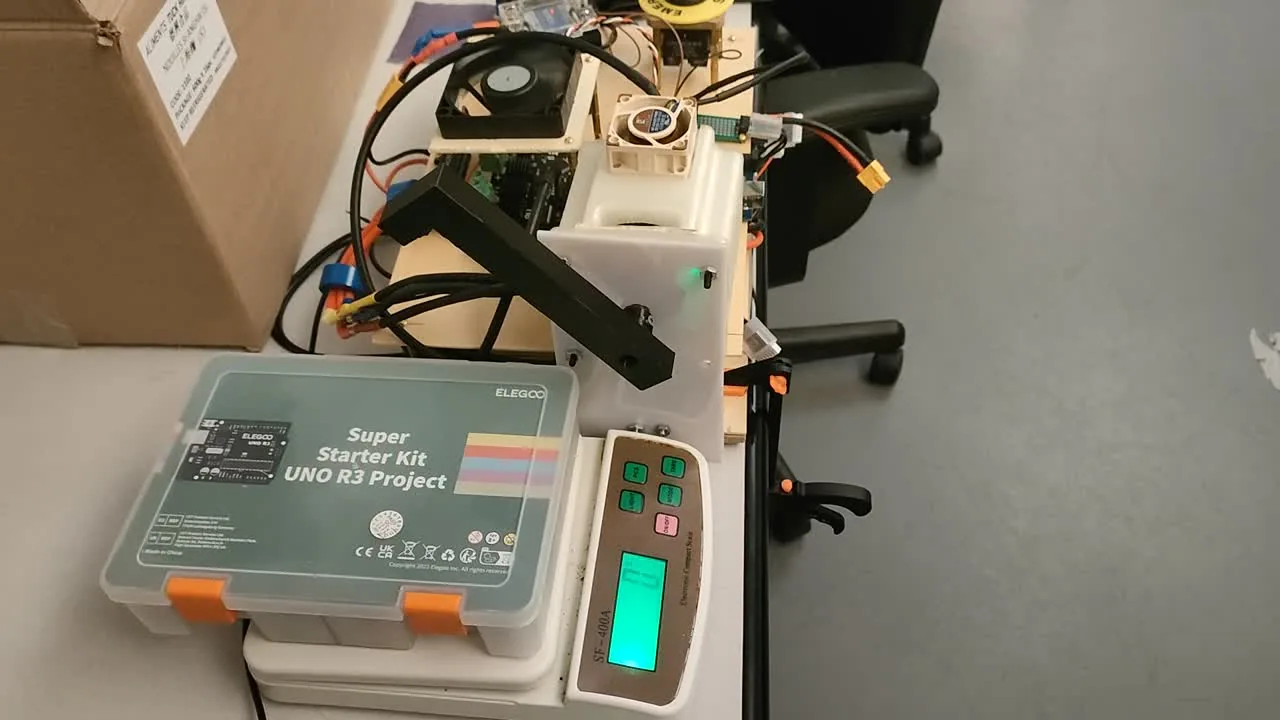
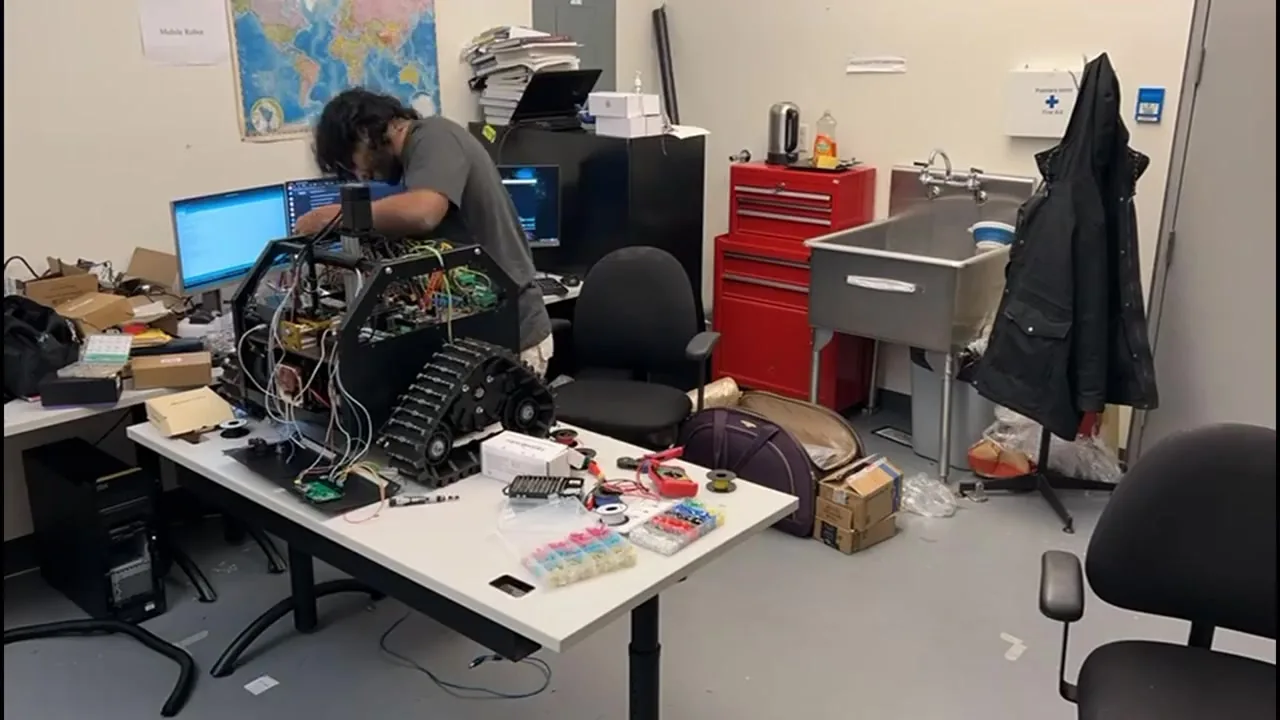
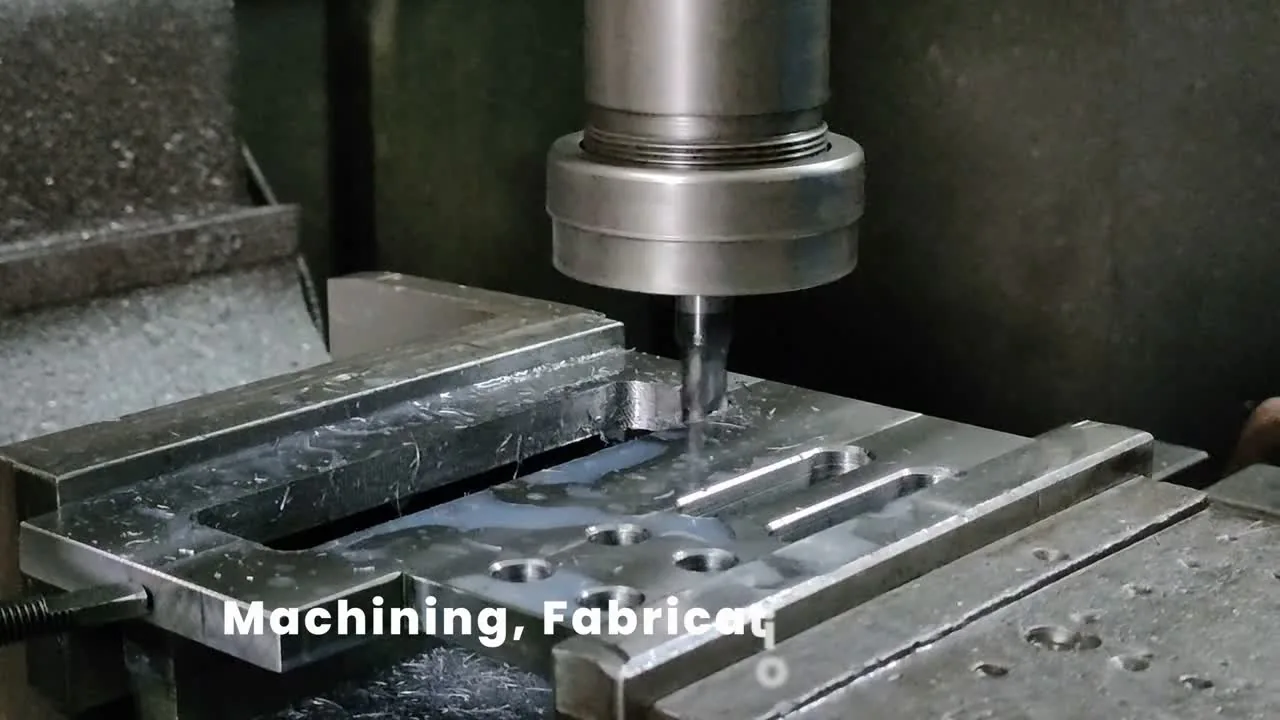
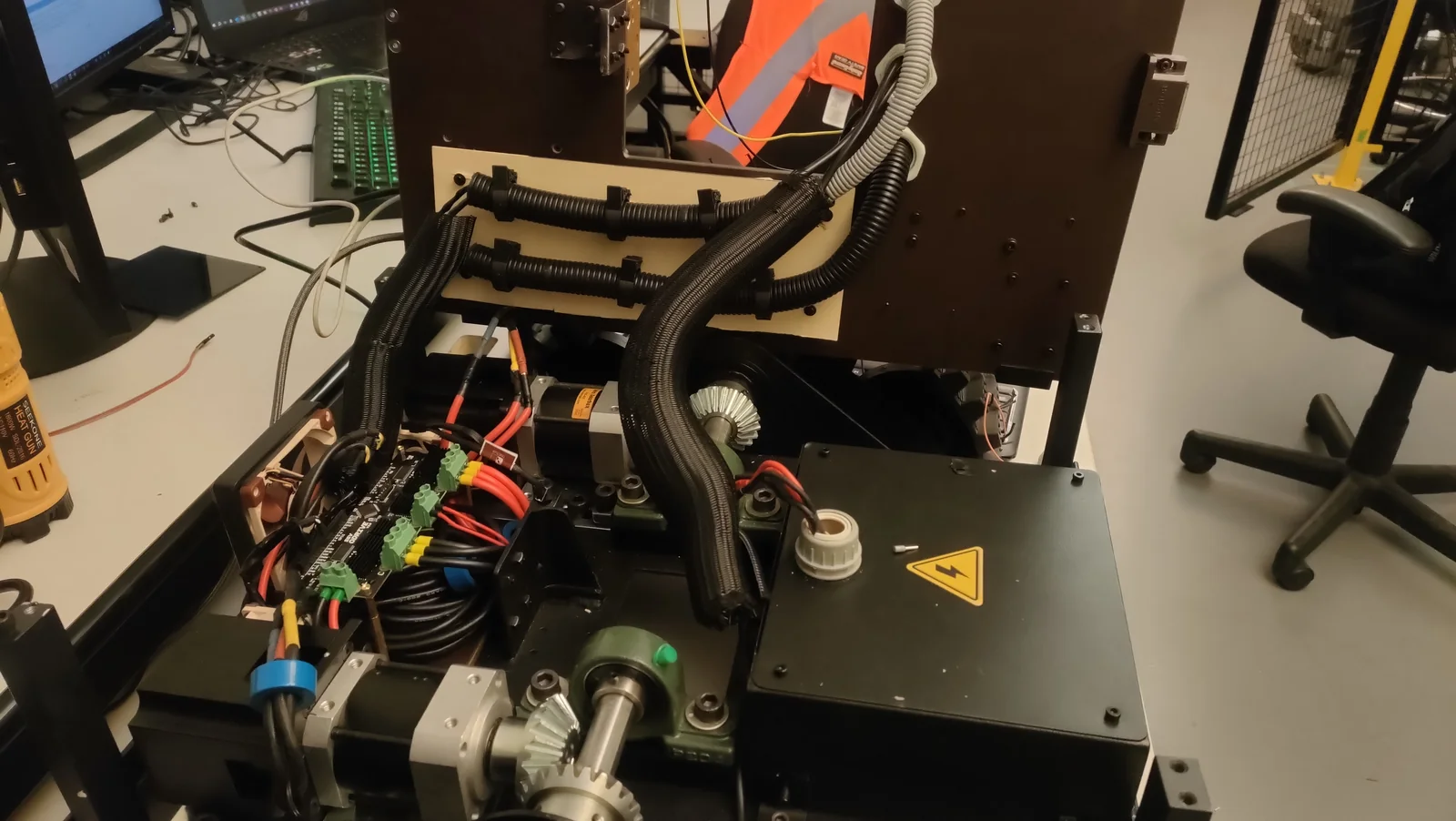
Build & bring-up
Proof of concept, sensor integration, then machining and assembly.
Weed perception · DRoC-Net
Finding each dandelion and the point it grows from.
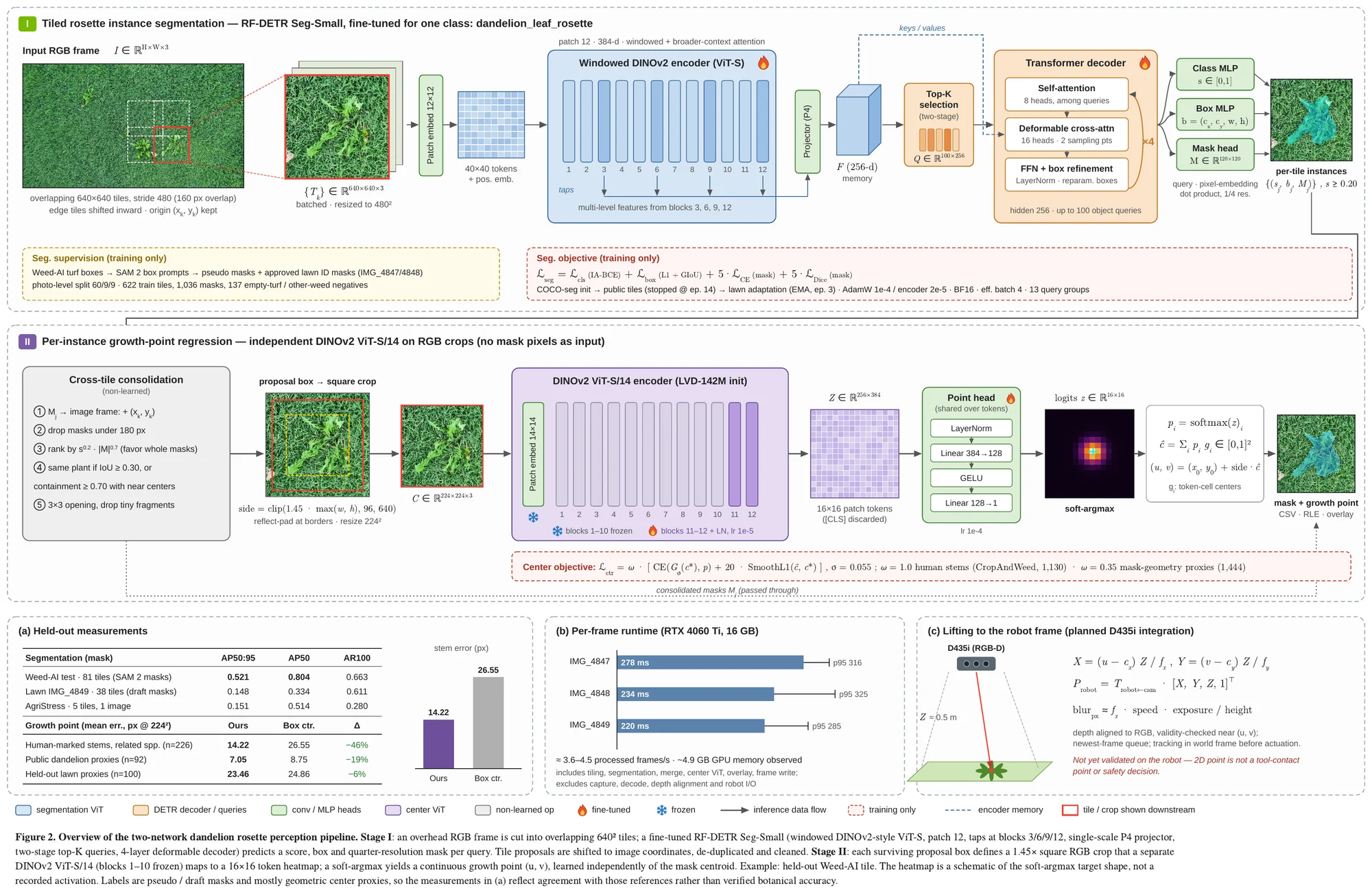
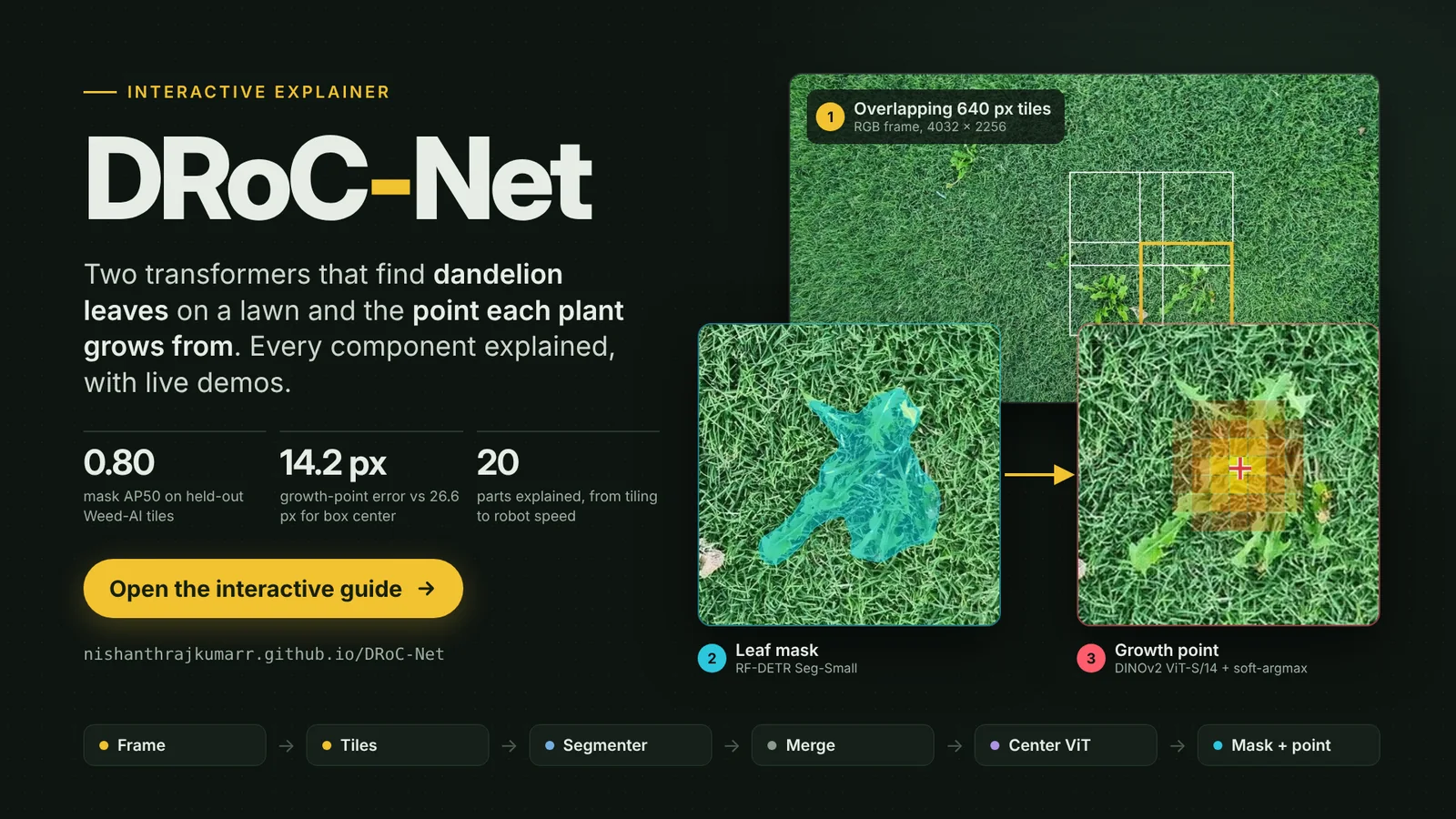
DRoC-Net is two networks. An RF-DETR Seg-Small model, fine-tuned for one class, segments dandelion leaf rosettes in overlapping 640×640 tiles of the camera frame.
A separate DINOv2 ViT-S/14 regressor then looks at each rosette crop and predicts the growth point, the spot the extraction tool needs to hit.
Training labels come from SAM 3 concept prompts, and the fine-tuned model is evaluated against that zero-shot teacher.
Complete coverage
Covering every part of a mapped area, then going home.
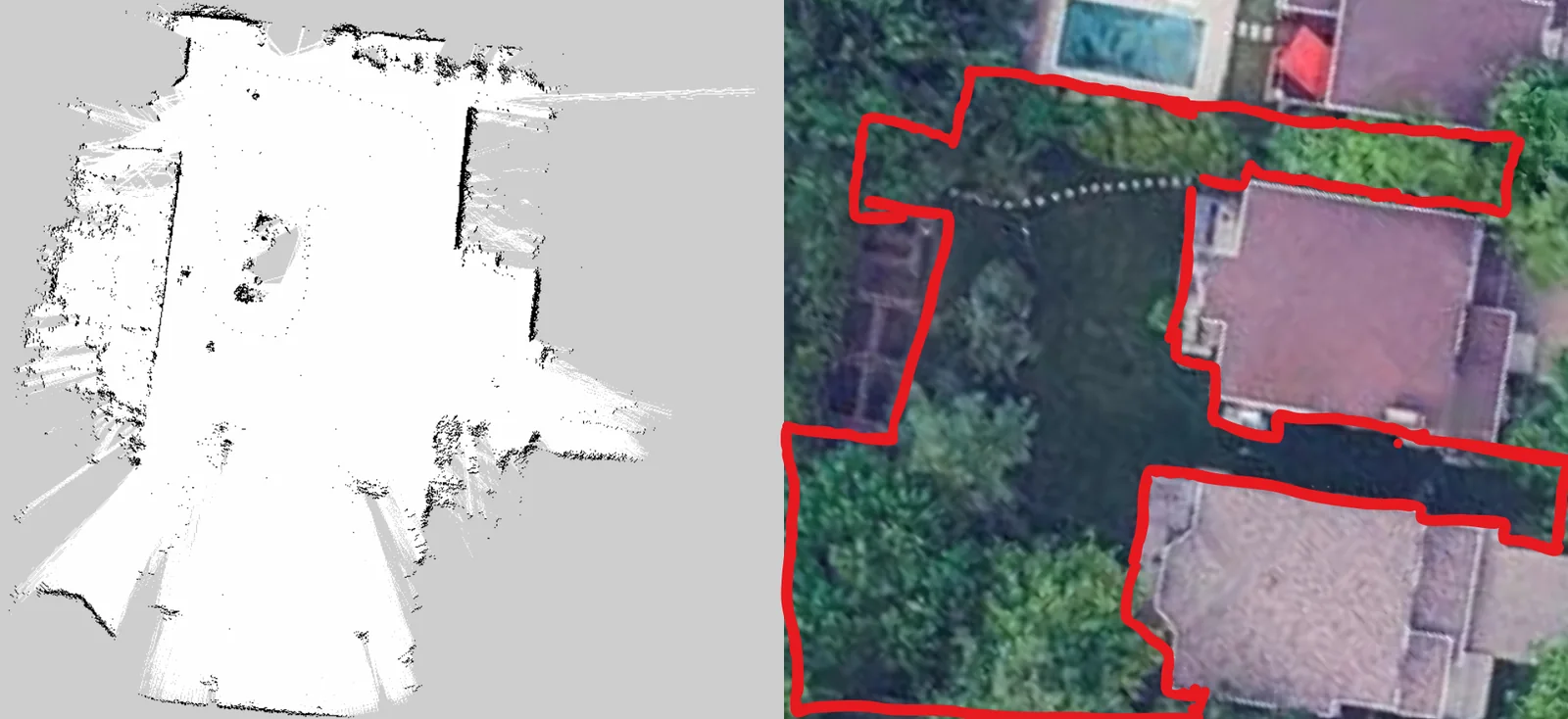
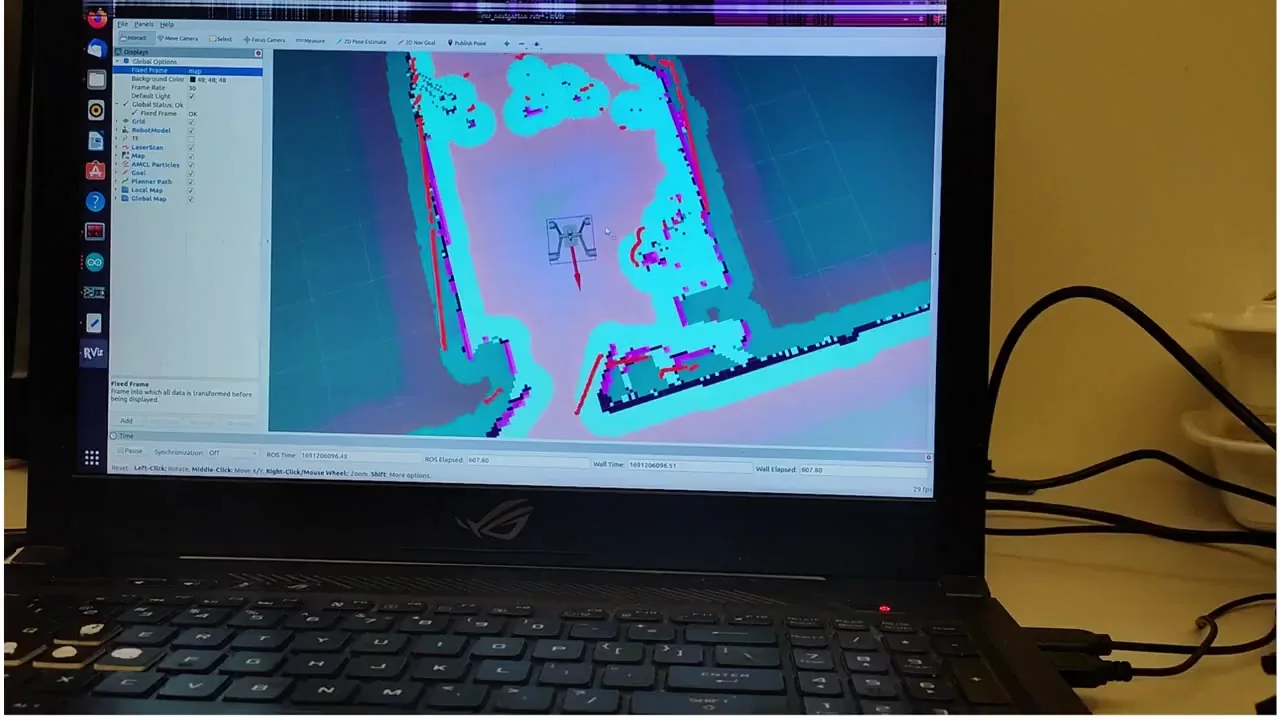
The coverage stack goes from the SLAM map to a costmap and a coverage plan, follows it with Regulated Pure Pursuit, switches to DWA around people, revisits missed patches, then docks.
A MATLAB port of the simulation runs on the same map, with a live plot of the mowed area and the trail.
Indoor testing
Target detection, extraction and return-to-home in controlled corridors.
Outdoor testing
Mapping a real property, then running the full workflow on grass.